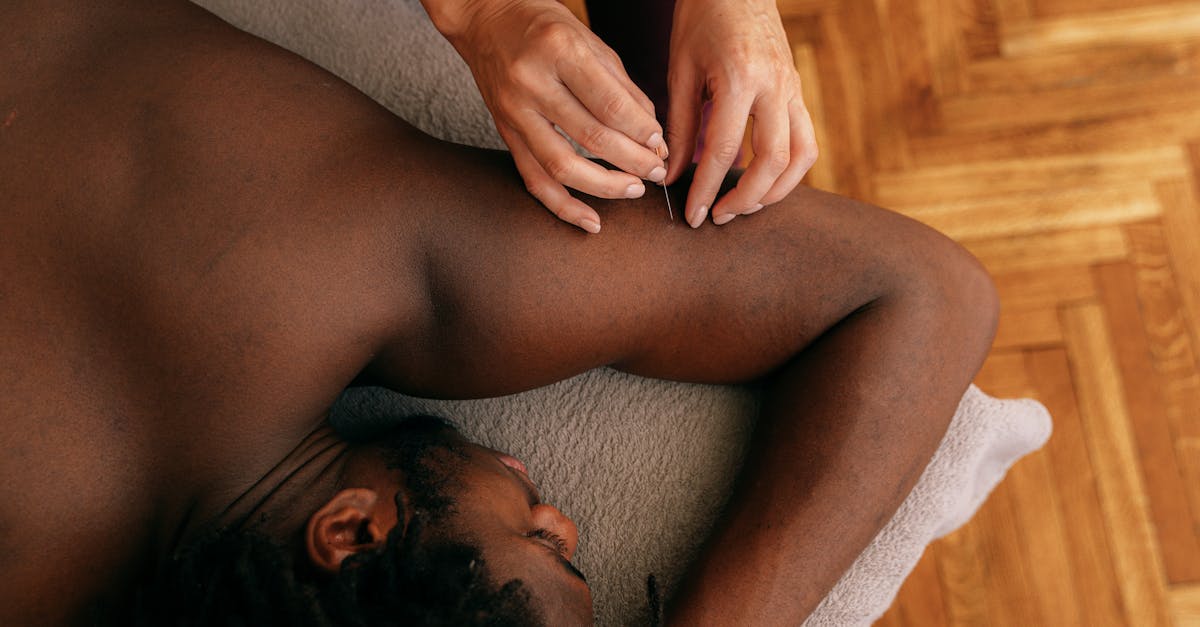
The Role of Dry Needling in Sports Injury Rehabilitation
Table Of Contents
Integrating Dry Needling into Rehabilitation Programs
The incorporation of dry needling into rehabilitation programs has gained traction among healthcare professionals working with athletes. This technique targets myofascial trigger points, providing pain relief and muscle recovery. As part of a comprehensive rehabilitation strategy, dry needling can enhance flexibility and improve functional movement, allowing athletes to return to their sport more effectively.
When dry needling is combined with other modalities such as physical therapy, manual therapy, or exercise rehabilitation, the outcomes can be significantly improved. This multi-faceted approach helps address the underlying issues of a sports injury, facilitating a more holistic recovery process. Practitioners often design individualized treatment plans that incorporate dry needling alongside strengthening and conditioning exercises, ensuring that all aspects of the athlete's rehabilitation are addressed.
Combining with Other Treatment Modalities
Dry needling is often used alongside other therapeutic approaches to enhance the overall effectiveness of rehabilitation programs. When combined with physical therapy, the technique can help reduce muscle tension and alleviate pain, allowing for a more productive movement session. Practitioners frequently pair dry needling with modalities such as massage therapy, ultrasound, or electrical stimulation to address various aspects of an injury and improve recovery outcomes.
Integrating dry needling into a comprehensive rehabilitation strategy can optimize the healing process. Each modality brings its unique benefits, which together may accelerate recovery and help athletes return to their sport with greater strength and flexibility. Collaborating with multidisciplinary teams ensures that treatment plans are tailored to individual needs, promoting a more holistic approach to sports injury rehabilitation.
Safety and Side Effects
Every therapeutic intervention carries inherent risks, and dry needling is no exception. While many individuals experience positive outcomes without significant adverse effects, some may report pain at the needle insertion site, bruising, or temporary soreness. It is crucial for practitioners to be knowledgeable about the proper techniques and anatomy to minimize these risks. Understanding the patient's medical history can help identify those who may be at a higher risk of complications, ensuring a safer treatment experience.
In rare instances, more serious side effects may occur, such as infection or nerve damage. However, these complications are uncommon when dry needling is performed by a qualified practitioner. Staying informed about potential risks empowers both the patient and the clinician to communicate openly about safety measures. This collaborative approach can enhance the treatment process and provide reassurance for individuals seeking relief from muscle tension and pain.
Understanding Risks Involved
Dry needling, while generally considered safe, carries some inherent risks. Common side effects include soreness at the needle insertion site, bruising, and temporary fatigue. In rare cases, more serious complications, such as injury to nerves or blood vessels, may occur. Proper technique and hygiene are essential to minimize these risks and ensure patient safety during treatments.
Patients should understand that individual reactions can vary widely. Factors such as pre-existing medical conditions, medication use, and overall health status can influence the likelihood of experiencing side effects. It’s crucial for individuals to discuss their medical history and any concerns with their practitioner before beginning dry needling treatments. Open communication can help in tailoring the approach to each patient’s needs while enhancing safety throughout the rehabilitation process.
Choosing a Qualified Practitioner
Selecting a qualified practitioner for dry needling is crucial in ensuring effective treatment and safety. Look for professionals who have undergone specialized training in the technique. Credentials from accredited organizations and state certifications can serve as indicators of a practitioner’s expertise. It's important to inquire about their experience in treating specific sports injuries and how they integrate dry needling into their broader rehabilitation approach.
In addition to formal qualifications, a practitioner’s ability to communicate effectively and empathize with patients plays a significant role in the healing process. A knowledgeable provider will take the time to explain the dry needling technique, discuss potential outcomes, and address any concerns about the procedure. Building rapport and trust between the practitioner and the patient can enhance the overall therapeutic experience and promote better adherence to the rehabilitation program.
Credentials and Training to Look For
When seeking a qualified practitioner for dry needling, it is essential to prioritize education and training. Professionals should have a solid foundation in anatomy and physiology, typically obtained through a degree in physical therapy, chiropractic care, or a related field. Additionally, post-graduate training specifically in dry needling techniques is crucial. This further education should be accredited by a reputable organization, ensuring that the practitioner has mastered safe and effective application methods.
Certification is another important aspect to consider. Look for providers who have undergone specialized courses that culminate in recognized certifications. The existence of such credentials indicates a commitment to ongoing professional development and adherence to high standards of practice. Furthermore, experience in treating specific sports injuries enhances a practitioner's ability to tailor dry needling techniques to individual needs, promoting better outcomes in rehabilitation.
FAQS
What is dry needling, and how does it work in sports injury rehabilitation?
Dry needling is a technique that involves inserting thin needles into specific trigger points in muscles to relieve pain and improve mobility. It helps to release muscle tension, promote blood flow, and enhance the healing process in sports injuries.
Can dry needling be combined with other treatment modalities?
Yes, dry needling can be effectively combined with other treatment modalities such as physical therapy, massage therapy, and exercise rehabilitation. This integrated approach can enhance overall recovery and improve outcomes for athletes.
Are there any safety concerns or side effects associated with dry needling?
While dry needling is generally considered safe when performed by a qualified practitioner, some common side effects can include temporary soreness, bruising, or bleeding at the needle insertion site. It is important to discuss any concerns with your practitioner before treatment.
What qualifications should I look for in a practitioner who performs dry needling?
When choosing a practitioner for dry needling, look for credentials such as a licensed physical therapist or chiropractor with specialized training in dry needling techniques. It's important to ensure they have completed a reputable certification program to ensure safety and efficacy.
How many dry needling sessions are typically needed for effective rehabilitation?
The number of dry needling sessions needed can vary based on the severity of the injury and individual response to treatment. Many patients may see improvement within a few sessions, but a comprehensive treatment plan should be discussed with your practitioner for optimal results.
Related Links
Safety and Efficacy of Dry Needling: What the Research IndicatesComparing Dry Needling and Traditional Acupuncture: What You Need to Know
Common Misconceptions About Dry Needling Debunked
Dry Needling Techniques for Trigger Point Release Explained
Personal Stories: Success Stories from Dry Needling Clients
Integrating Dry Needling with Other Physiotherapy Treatments
How Dry Needling Can Alleviate Chronic Muscle Pain