How Dry Needling Can Alleviate Chronic Muscle Pain
Table Of Contents
Comparing Dry Needling to Other Therapies
Dry needling is often compared to more traditional therapies such as physical therapy and massage, each having distinct approaches to pain relief. While physical therapy focuses on strengthening muscles and improving mobility through exercises, dry needling targets specific trigger points in the body. This direct method can yield faster results in alleviating muscle tension by promoting a localized healing response. Massage therapy, on the other hand, emphasizes relaxation and circulation, offering a more holistic approach to well-being, which may complement dry needling for overall muscle care.
The effectiveness of dry needling may vary based on individual conditions and preferences, making it essential to consider personal responses to different treatments. In cases of chronic pain, patients may find that combining dry needling with other modalities creates a more comprehensive pain management strategy. The synergy of these therapies can lead to enhanced recovery and a more significant reduction in discomfort, appealing to those seeking a well-rounded approach to chronic muscle pain alleviation.
How It Stands Out
Dry needling is often distinguished from other therapeutic approaches by its specific focus on trigger points within the muscle tissue. While techniques such as massage and physical therapy aim to relieve tension through manipulative movements, dry needling directly targets tight bands of muscle where knots may form. This precision often leads to immediate relief of muscle tightness and discomfort that other therapies may not effectively address.
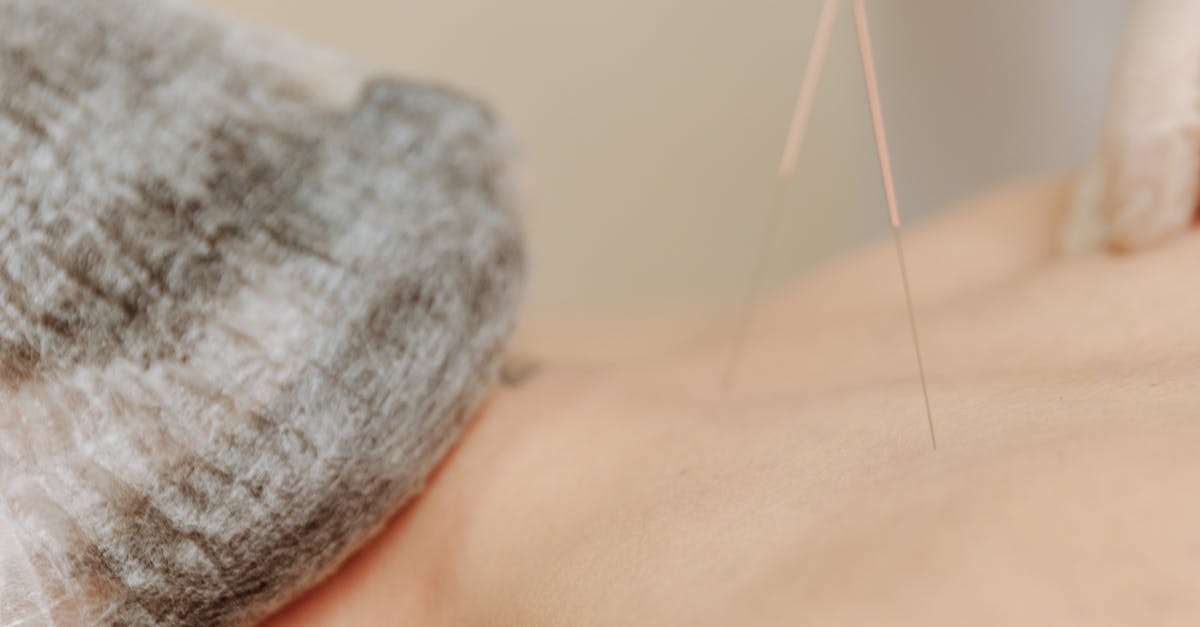
Another notable aspect is the minimal invasion involved in dry needling. The procedure utilizes thin, sterile needles to access the muscle without requiring medication or sedation. This aspect makes it a preferred option for individuals seeking quick treatment with minimal downtime. Patients may experience a noticeable reduction in pain immediately after a session, setting dry needling apart from more traditional forms of therapy that might require multiple treatments before yielding significant results.
Who Can Benefit from Dry Needling?
A variety of individuals may find relief through dry needling, particularly those suffering from chronic muscle pain. Athletes often turn to this therapy to address specific trigger points that contribute to performance issues and discomfort. Furthermore, office workers who spend hours sitting may experience tension in their neck and shoulders, making them prime candidates for treatment.
Individuals with fibromyalgia or other chronic pain syndromes can also benefit significantly from dry needling. This technique may help reduce muscle tightness and improve overall function. Additionally, patients recovering from injuries may find it an effective complement to physical therapy, as it can facilitate muscle recovery and enhance mobility.
Conditions Typically Treated
Dry needling is effective for treating a variety of musculoskeletal issues. It is commonly employed for conditions such as myofascial pain syndrome, tension headaches, and fibromyalgia. Patients suffering from sports injuries often find relief through this technique, as it helps to alleviate muscle tightness and enhance recovery.
In addition to these common ailments, dry needling can also address chronic pain conditions like sciatica and other forms of neuropathy. The therapy focuses on specific trigger points within the muscles, which may contribute to discomfort and restricted movement. By targeting these areas, individuals may experience significant reductions in pain and improvements in overall function.
Safety and Side Effects
As with any therapeutic intervention, it is essential to consider the safety aspects associated with dry needling. Most patients generally tolerate the procedure well, experiencing mild discomfort during and after treatment. Common side effects include soreness at the insertion sites, transient bruising, and slight bleeding. These reactions typically resolve within a few days and are considered normal.
In rare cases, more serious complications may arise, including infection, pneumothorax, or nerve injury. It is crucial to undergo the procedure with a licensed and experienced practitioner to minimize these risks. Before embarking on a dry needling regimen, patients should discuss their medical history and any underlying health issues to ensure safe and effective treatment.
Potential Risks to Consider
Dry needling is generally considered safe when performed by trained professionals. However, some individuals may experience minor side effects, such as temporary soreness at the site of the needles. Bruising or bleeding can occasionally occur, particularly if a needle hits a blood vessel.
In rare cases, more significant risks may arise. These include the possibility of nerve injury or infection if sterile techniques are not strictly followed. Individuals with certain medical conditions or who are taking specific medications should consult with a healthcare provider before undergoing treatment to ensure safety.
FAQS
What is dry needling?
Dry needling is a therapeutic technique that involves inserting thin needles into specific trigger points in the muscles to relieve pain, improve mobility, and promote healing.
How does dry needling compare to acupuncture?
While both dry needling and acupuncture involve the use of needles, dry needling focuses specifically on muscle trigger points and is based on Western medical principles. In contrast, acupuncture is rooted in traditional Chinese medicine and aims to balance energy flow in the body.
Who can benefit from dry needling?
Individuals experiencing chronic muscle pain, tension, or conditions such as fibromyalgia, myofascial pain syndrome, and sports injuries can benefit from dry needling. It is often used by physical therapists and pain management specialists.
Are there any side effects associated with dry needling?
Common side effects may include temporary soreness, bruising, or bleeding at the insertion site. Serious side effects are rare but can occur if the procedure is performed incorrectly.
How many sessions of dry needling are typically needed for effective results?
The number of sessions varies based on individual needs and conditions, but many patients may see improvement within a few sessions. A healthcare provider can create a tailored treatment plan based on specific circumstances.
Related Links
Comparing Dry Needling and Traditional Acupuncture: What You Need to KnowDry Needling: A Comprehensive Guide for First-Time Patients
Common Misconceptions About Dry Needling Debunked
Dry Needling Techniques for Trigger Point Release Explained
Personal Stories: Success Stories from Dry Needling Clients