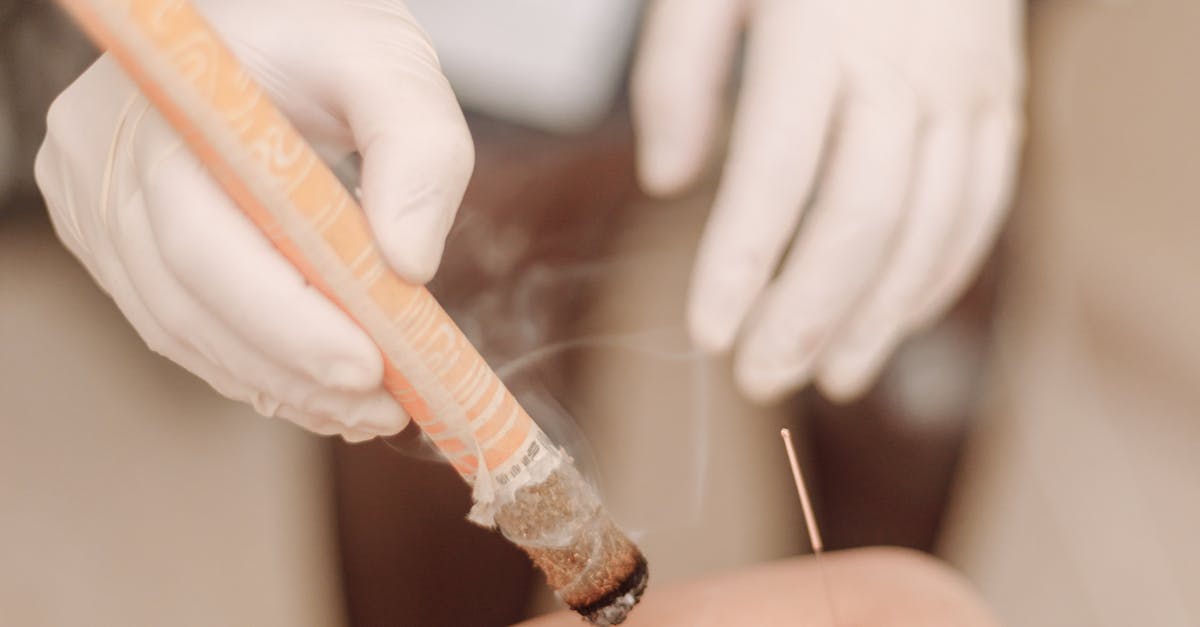
Integrating Cupping Therapy into Holistic Health Practices
Table Of Contents
Safety Considerations in Cupping Therapy
Cupping therapy, while generally considered safe, requires careful consideration of certain factors before undergoing treatment. It is essential to consult with a qualified practitioner who can assess individual health conditions and determine if cupping is appropriate. Those with certain medical conditions, such as skin disorders, bleeding disorders, or compromised immune systems, may be at a higher risk for adverse effects. Additionally, pregnant individuals should avoid cupping on their abdomen and lower back, as well as individuals who are on blood thinners.
Understanding proper technique and hygiene is also crucial to minimize risks. Practitioners should use clean, sterilized equipment to prevent infections and ensure that the cups are applied correctly to avoid bruising or skin damage. Clients should communicate openly about their medical history and any medications they are taking beforehand. An informed conversation can help create a safer experience and enhance the benefits of the therapy.
Identifying Candidates and Contraindications
Cupping therapy can benefit a wide range of patients, particularly those seeking relief from muscle tension, stress, and chronic pain conditions. Athletes often incorporate this treatment to enhance recovery post-injury. Individuals experiencing respiratory conditions may also find it helpful in clearing congestion. However, it is essential to evaluate each candidate's overall health status and specific needs before proceeding.
Certain groups should approach cupping therapy with caution or avoid it altogether. Pregnant individuals, those with skin conditions or open sores, and people with blood disorders or a history of coagulation problems may face increased risks. Patients on anticoagulant medication should also refrain from this treatment without consulting a healthcare professional. Conducting thorough assessments helps ensure that cupping therapy is both safe and effective for the intended recipient.
Preparing for a Cupping Session
Before undergoing cupping therapy, it's essential to ensure that you are well-informed about the process. A thorough consultation with a qualified practitioner serves to assess your specific needs and medical history. They will explain the various techniques available, the types of cups used, and any potential sensations you might experience during the session. Gathering this information can help alleviate any anxiety and create a more comfortable environment for your treatment.
Preparation also involves some practical steps to enhance the overall experience. It's advisable to wear comfortable clothing that allows easy access to the areas being treated. Hydration plays a vital role in the effectiveness of the therapy, so drinking water before and after the session is beneficial. Patients should also avoid eating heavy meals prior to their appointment, as this can lead to discomfort during the treatment. This thoughtful approach helps ensure a smooth and effective cupping experience.
What to Expect Before and During Treatment
Before the session begins, clients typically engage in a thorough consultation with the practitioner. This discussion focuses on health history, specific concerns, and intended outcomes of the treatment. Practitioners may assess skin sensitivity and explain the different techniques and cupping methods to be used. Clients should feel comfortable asking questions and voicing any apprehensions, ensuring an open line of communication.
During the treatment, clients can expect a warm environment that promotes relaxation. Cups may be placed directly on the skin, and a practitioner will create a vacuum, which can cause a gentle pulling sensation. Some discomfort is common, but it should not be painful. The duration of each session usually lasts between 10 to 30 minutes, depending on individual needs and treatment goals. Practitioners will monitor clients closely throughout the process to ensure comfort and adjust techniques as necessary.
Post-Cupping Care and Recovery
After a cupping session, it is essential to allow the body time to recover. This can involve staying hydrated, as fluids help flush out toxins released during the treatment. Gentle movements and light stretching can aid in promoting circulation and easing any tension in the muscles. Participants should avoid strenuous activities for a day or two to prevent unnecessary discomfort and allow the body to respond positively to the therapy.
Monitoring the skin's response post-treatment is crucial. It is normal to see circles and discoloration where cups were applied, but these should gradually fade within a week. Moisturizing the treated area may help soothe the skin. Should any unusual symptoms arise, such as prolonged pain or excessive swelling, consulting a healthcare professional is advisable to rule out complications. Emphasizing self-care during the recovery phase can enhance overall well-being and maximize the benefits of cupping therapy.
Tips for Optimal Healing After Sessions
After a cupping session, it’s essential to prioritize hydration to facilitate the body’s natural healing processes. Drinking plenty of water helps flush out toxins released during treatment. Herbal teas may also be beneficial for relaxation and further support. Keeping the body well-hydrated can enhance recovery and reduce the likelihood of discomfort.
Resting is equally important following a cupping session. Allowing time for the body to recuperate can significantly impact overall well-being. Light activities like gentle stretching or walking may aid in maintaining circulation without overexerting oneself. Users should avoid intense exercise or strenuous tasks for at least a day to allow the body to fully recover from the treatment.
FAQS
What is cupping therapy, and how does it work?
Cupping therapy is an alternative healing practice that involves creating suction on the skin using cups, which helps to improve blood circulation, relieve muscle tension, and promote relaxation.
Who can benefit from cupping therapy?
Cupping therapy can benefit a variety of individuals, particularly those experiencing muscle pain, tension, or stress. It's also popular among athletes for recovery and relaxation.
Are there any risks associated with cupping therapy?
While cupping therapy is generally considered safe, there are potential risks, including skin irritation, bruising, or burns. It is essential to consult with a qualified practitioner to assess individual health conditions.
How should I prepare for a cupping session?
To prepare for a cupping session, it is advisable to wear loose, comfortable clothing and to avoid eating a heavy meal beforehand. Staying well-hydrated is also important.
What should I expect after a cupping session?
After a cupping session, you may experience some redness, bruising, or mild soreness in the treated areas. It is crucial to follow post-cupping care tips for optimal healing and recovery.
Related Links
Cupping Therapy for Chronic Pain ManagementUnderstanding the Science Behind Cupping Therapy
Preparing for Your First Cupping Therapy Session
The Differences Between Cupping Therapy and Other Acupuncture Treatments
Debunking Myths About Cupping Therapy in Melbourne
Cupping Therapy: Techniques and Practices in Melbourne
How Cupping Therapy Can Enhance Your Wellness Routine