Debunking Myths About Cupping Therapy in Melbourne
Table Of Contents
Cupping Therapy and Detoxification
Cupping therapy has gained popularity as a method believed to enhance detoxification processes within the body. The practice involves creating suction on the skin using cups, which proponents say helps to stimulate blood flow and promote the removal of toxins. Many individuals seek cupping as a way to feel rejuvenated, attributing various health benefits to this ancient technique. Despite its growing use, the actual mechanism of detoxification through cupping remains a topic of debate among professionals.
Critics argue that the body's own systems, particularly the liver and kidneys, are primarily responsible for detoxifying substances. They point out that while cupping may aid in alleviating muscle tightness and improving circulation, there is limited scientific evidence supporting claims of significant toxin removal. The distinction between perceived benefits and documented physiological effects is vital for individuals considering this therapy, as it highlights the need for a more nuanced understanding of the practice.
Myths About Toxin Removal
Cupping therapy is often touted as an effective method for detoxifying the body, but scientific evidence supporting this claim is limited. Many practitioners and proponents suggest that cupping can draw toxins out of the body through the skin. However, detoxification is a complex process primarily managed by the liver and kidneys, and cupping does not directly alter their functions or improve their efficiency in removing harmful substances.
Moreover, while some people report feeling better after a session, these effects are likely due to increased blood flow and relaxation rather than actual toxin removal. Misunderstandings about what cupping achieves can lead individuals to rely on this therapy for detoxification, potentially neglecting more effective and evidence-based practices for maintaining overall health.
Safety and Side Effects
Cupping therapy, while generally considered safe for most people, does come with certain risks and potential side effects. Bruising is a common occurrence after treatment, as the suction causes blood to pool in the areas where the cups were applied. Some individuals may also experience mild soreness, redness, or irritation on their skin. These effects typically resolve on their own within a few days.
In rare cases, more serious side effects may occur, such as skin infections or burns if the heat method is used improperly. Individuals taking blood-thinning medications or those with certain health conditions should consult a healthcare professional before proceeding with cupping therapy. Awareness of these potential outcomes is essential for anyone considering this alternative treatment as part of their wellness routine.
What to Expect After a Session
After a cupping therapy session, individuals may notice some changes in their body, both subtle and pronounced. Commonly, there might be temporary marks on the skin where the cups were applied. These marks can range from light pink to deep purple, depending on the intensity of the session and the individual’s skin sensitivity. The coloration typically fades over time, usually within a week, as the body naturally heals itself.
Clients often report a sense of relaxation and relief from muscle tension following the treatment. Some may experience mild soreness in the areas treated, similar to the feeling after a deep tissue massage. It's also not uncommon for feelings of fatigue to arise after the session as the body works to process the effects of the therapy. Ensuring proper hydration and rest can help enhance recovery and maximize the benefits of cupping therapy.
Cupping in Traditional Medicine
This therapy has been practiced for thousands of years across various cultures. Originating in ancient China, it has been incorporated into Traditional Chinese Medicine as a means to promote healing and balance within the body. Historical texts highlight its use by practitioners to treat a wide range of ailments, from respiratory issues to musculoskeletal pain. Various cultures, including those in the Middle East and Greece, also utilized cupping as a therapeutic practice, adapting techniques to suit their unique traditions and medical philosophies.
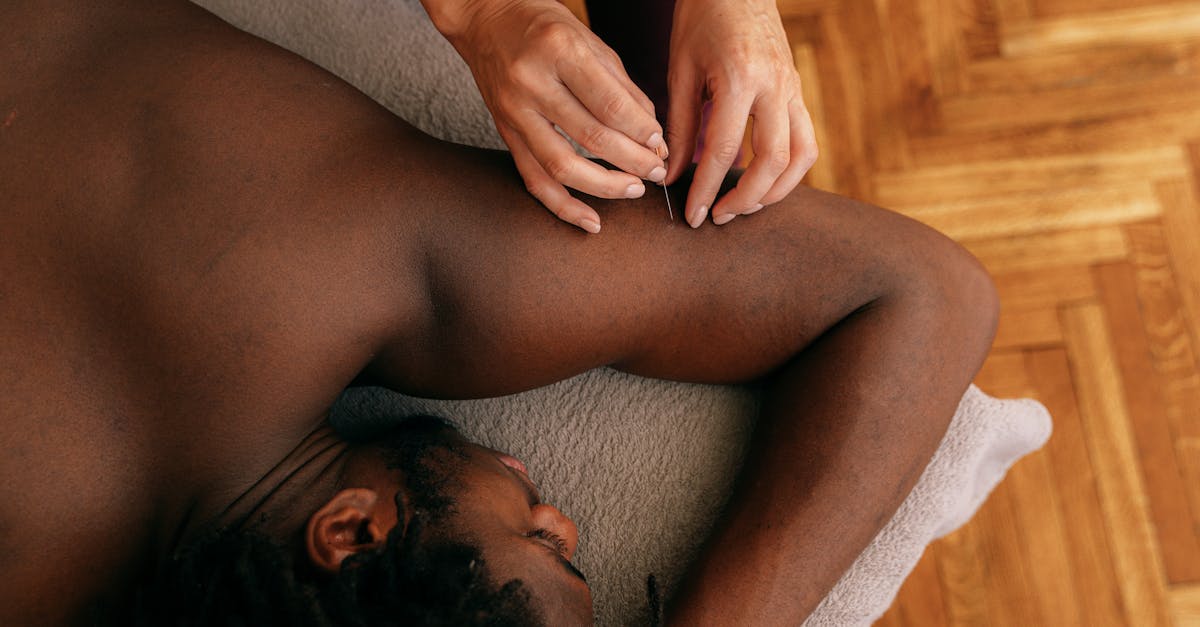
In these practices, the primary purpose of cupping revolves around enhancing blood circulation and alleviating pain. Practitioners combine cupping with acupuncture to harness the benefits of both therapies effectively. The method varies, but commonly involves heating glass or bamboo cups to create suction on the skin. The sensation can be surprising for first-timers, yet numerous individuals report significant relief from discomfort and improved overall wellness following their sessions. This tradition continues to evolve, with techniques being modernized while still respecting their historical significance.
Its Historical Roots and Practices
Cupping therapy has ancient origins that span various cultures, with records dating back to ancient Egypt and China. Traditional texts, including the famous "Inner Canon of Huangdi," document its use in Chinese medicine over two thousand years ago. The therapy was employed to treat a range of ailments, emphasizing the belief in restoring balance within the body. Throughout history, different cultures have adapted cupping techniques, utilizing various materials and methods according to their practices and understanding of health.
In the Middle East, cupping became an integral part of Islamic medicine, evolving into a widely accepted treatment for physical and spiritual well-being. Historical figures, including the physician Hippocrates, recognized its therapeutic potential. Modern adaptations have emerged, blending traditional practices with contemporary techniques. Today, cupping is often featured in holistic health practices, reflecting its enduring legacy and appeal across diverse communities.
FAQS
What is cupping therapy?
Cupping therapy is an alternative treatment that involves placing suction cups on the skin to create a vacuum effect. This method is believed to improve blood flow, relieve muscle tension, and promote healing.
Does cupping therapy detoxify the body?
While proponents of cupping therapy claim it helps detoxify the body, there is limited scientific evidence to support this. The body's liver and kidneys are primarily responsible for detoxification.
Are there any side effects associated with cupping therapy?
Yes, common side effects can include temporary bruising, soreness, and redness on the skin where the cups were applied. However, most side effects are mild and resolve quickly.
How long do the effects of a cupping session last?
The effects of a cupping session can vary from person to person. Some may feel relief for a few days, while others may experience benefits for a longer duration depending on individual health factors.
Is cupping therapy safe for everyone?
While cupping therapy is generally considered safe for most people, it may not be suitable for those with certain medical conditions, such as skin ulcers or blood disorders. It's advised to consult with a healthcare professional before starting treatment.
Related Links
The Differences Between Cupping Therapy and Other Acupuncture TreatmentsCupping Therapy for Chronic Pain Management
Preparing for Your First Cupping Therapy Session
Integrating Cupping Therapy into Holistic Health Practices
Understanding the Science Behind Cupping Therapy
Cupping Therapy: Techniques and Practices in Melbourne
How Cupping Therapy Can Enhance Your Wellness Routine