The Role of Qi in Traditional Chinese Acupuncture Practices
Table Of Contents
The Benefits of Acupuncture on Qi
Acupuncture is traditionally believed to restore balance to the body's vital energy, known as Qi. By stimulating specific points on the body with fine needles, practitioners aim to enhance the flow of this energy, promoting overall well-being. When Qi is balanced and flowing freely, it can lead to improved physical health, increased vitality, and enhanced emotional stability. Many patients report feeling a sense of relaxation and rejuvenation after sessions, indicating that acupuncture can play a supportive role in fostering a harmonious state of being.
Furthermore, the benefits of acupuncture extend beyond mere relaxation. Regular treatments are associated with a reduction in pain and inflammation, helping to alleviate various ailments. This therapeutic modality is also recognized for its ability to bolster the immune system and facilitate healing processes within the body. By addressing Qi stagnation or deficiency, acupuncture can effectively contribute to both physical recovery and emotional soothing, making it a valuable tool in holistic health practices.
Enhancing Well-Being Through Qi Regulation
Qi regulation plays a crucial role in promoting overall physical and emotional well-being. By balancing the flow of this vital energy throughout the body, acupuncture practitioners aim to restore harmony within the system. Disruptions in Qi can lead to various health issues, including fatigue, stress, and chronic pain. Through targeted needle placement, practitioners can stimulate specific acupuncture points to enhance the body’s natural ability to heal and adapt.
Effective Qi regulation also addresses emotional factors that contribute to physical ailments. Stress, anxiety, and emotional instability can block the free flow of Qi, resulting in discomfort and health complications. Acupuncture not only targets these blockages but also helps to create a mindful awareness of one’s emotional state. This holistic approach fosters relaxation and emotional resilience, encouraging individuals to navigate their challenges with greater ease and clarity.
Common Conditions Treated with Acupuncture
Acupuncture has been shown to address a variety of physical and emotional conditions. Chronic pain, headaches, and digestive issues are among the most commonly treated ailments. Many patients seek acupuncture for relief from musculoskeletal pain, including back, neck, and joint discomfort. The practice can also help alleviate symptoms associated with stress, anxiety, and depression, providing a holistic approach to mental well-being.
In addition to pain management and emotional support, acupuncture can aid in addressing respiratory issues and reproductive health concerns. Conditions such as allergies, asthma, and menstrual irregularities often respond well to treatment. The versatility of acupuncture makes it a valuable option for those looking for alternatives to conventional medical therapies. By targeting the flow of Qi, acupuncture promotes overall health and can enhance the body's natural healing processes.
Addressing Physical and Emotional Ailments
Acupuncture serves as a profound treatment modality for various physical ailments, ranging from chronic pain to digestive issues. The practitioner's skillful insertion of needles at specific acupuncture points helps to release tension and blockages along the body’s energy pathways. This process not only alleviates symptoms but also promotes overall healing and restoration of bodily functions.
Emotional health is equally addressed through acupuncture techniques, as imbalances in Qi can manifest as stress, anxiety, or depression. Targeting specific points can help to stabilize mood and enhance emotional resilience. Many individuals report a sense of calm and clarity following treatments, illustrating how the regulation of Qi can positively impact mental well-being.
The Role of Needle Techniques
Needle techniques in acupuncture are critical to achieving desired therapeutic outcomes. The skillful placement of needles at specific acupuncture points is essential for restoring balance in the body's energy flow. Practitioners utilize various techniques, including depth of insertion, angle of placement, and rotation of the needles, to fine-tune the treatment process. Each of these approaches can significantly affect the sensation experienced by the patient, ranging from mild tingling to a profound sense of release.
The precision involved in needle techniques not only facilitates the flow of Qi but also engages the body's natural healing responses. Different styles of acupuncture may emphasize unique methodologies, influencing how deeply or how long needles remain inserted. By adapting these techniques to the individual needs of each patient, practitioners seek to enhance the effectiveness of sessions and contribute to overall well-being. Understanding these nuanced methods is essential for both practitioners and patients to appreciate the art and science behind acupuncture.
How Needle Placement Influences Qi Flow
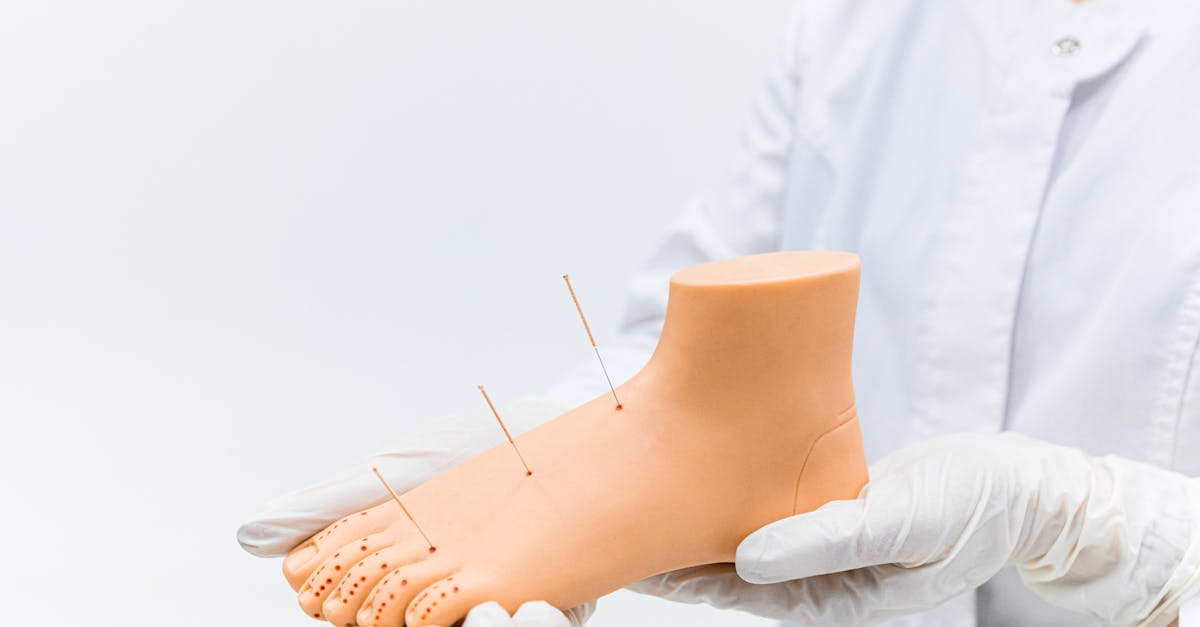
Needle placement is a critical aspect of acupuncture that directly affects the flow of qi throughout the body. Practitioners study the meridian system, which dictates how energy moves through the body, identifying specific points where needles can be inserted for optimal results. Each acupuncture point corresponds to specific organs or bodily functions. The skill and precision with which a practitioner places needles can enhance the overall effectiveness of the treatment, allowing for a tailored approach to each patient's unique condition.
The depth and angle at which needles are inserted also play a vital role in influencing qi flow. Shallow insertions may stimulate surface energy, while deeper placements can facilitate more profound changes within the body's energy pathways. This nuanced understanding of needle techniques allows practitioners to adjust their methods based on the patient's response and specific health concerns. The intricate relationship between needle placement and the flow of qi underscores the importance of training and expertise in acupuncture, ensuring that treatments are both safe and effective.
FAQS
What is Qi in the context of traditional Chinese acupuncture?
Qi, often translated as "life force" or "energy," is a fundamental concept in traditional Chinese medicine that refers to the vital energy that flows through the body. It is believed to influence physical, emotional, and spiritual health.
How does acupuncture benefit Qi regulation?
Acupuncture is thought to enhance well-being by promoting the smooth flow of Qi throughout the body, alleviating blockages, and restoring balance. This can lead to improved health and wellness.
What types of conditions can acupuncture treat related to Qi?
Acupuncture can address various physical and emotional ailments, including chronic pain, stress, anxiety, depression, digestive issues, and more. By influencing Qi flow, acupuncture aims to restore harmony and alleviate symptoms.
How important is needle placement in acupuncture?
Needle placement is crucial in acupuncture as it directly influences Qi flow in the body. Proper placement of needles can help target specific areas and meridians, enhancing the therapeutic effects of the treatment.
Are there any side effects associated with acupuncture treatments?
While acupuncture is generally safe, some individuals may experience mild side effects such as soreness at the needle insertion sites, temporary fatigue, or emotional release. It’s important to consult with a licensed acupuncturist to discuss any concerns before treatment.
Related Links
Common Techniques Used in Traditional Chinese AcupunctureUnderstanding the Principles of Traditional Chinese Acupuncture
Safety and Side Effects of Traditional Chinese Acupuncture
The Art of Diagnosis in Traditional Chinese Acupuncture
Identifying Common Conditions Treated by Traditional Chinese Acupuncture
The Historical Significance of Traditional Chinese Acupuncture
How Traditional Chinese Acupuncture Promotes Holistic Health
Traditional Chinese Acupuncture vs Western Medical Approaches