How Acupuncture Can Boost Your Immune System Naturally
Table Of Contents
Acupuncture Techniques for Immune Support
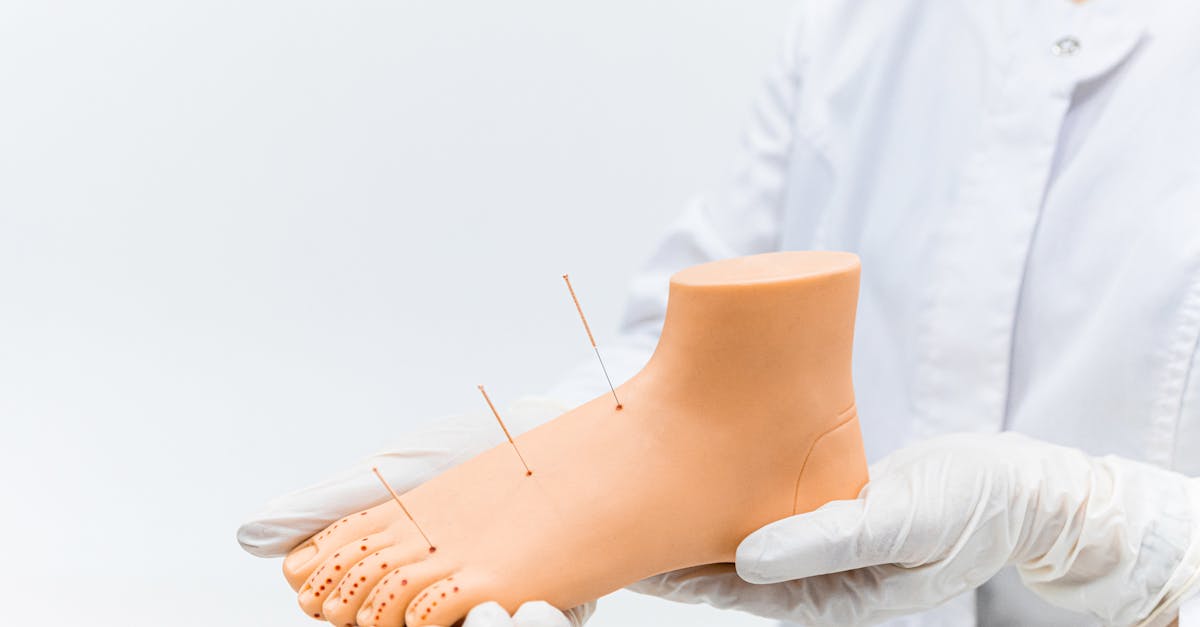
Acupuncture employs various techniques specifically aimed at enhancing immune function. Insertion of fine needles at targeted acupoints stimulates the body’s natural healing processes. This practice may facilitate better circulation and promote the balance of energy, known as Qi, throughout the body, which can lead to improved overall health. Certain points located around the spleen, kidneys, and lungs are frequently chosen for their potential to strengthen immune responses.
In addition to traditional needle techniques, practitioners may incorporate modalities like electro-acupuncture or moxibustion to further enhance immune support. Electro-acupuncture involves the application of a small electric current to the needles, which can amplify the effects of treatment. Moxibustion uses the burning of dried mugwort near acupuncture points, offering warmth and stimulating the area, which can also contribute to boosting immunity. Overall, these techniques are tailored to address individual health needs and can play a vital role in maintaining a robust immune system.
Common Methods Used in Sessions
Acupuncture employs various techniques to stimulate the body's natural healing processes. One of the most commonly used methods involves the insertion of fine needles into specific points along meridians. These meridians are pathways believed to carry energy throughout the body. Practitioners may also apply techniques like moxibustion, where a cone-shaped herb is burned near acupuncture points to enhance warmth and promote healing.
Another frequent method is electro-acupuncture, which involves the use of small electrical currents applied to the needles. This approach can amplify the effects of traditional acupuncture. Additionally, some practitioners may incorporate cupping therapy, a technique that uses suction cups to increase blood flow and alleviate muscle tension. These varied methods allow for a more tailored approach to enhancing immune function through acupuncture.
What to Expect During an Acupuncture Session
During an acupuncture session, patients can expect to be greeted by a tranquil environment designed to promote relaxation. Practitioners often begin by discussing health concerns and goals, allowing for a customized approach tailored to individual needs. After this initial consultation, the acupuncturist will identify specific points on the body that correspond to the immune system and overall health.
Once the needles are ready, the practitioner will gently insert them into the designated points. Sensations such as a slight prick or warmth may occur, but discomfort is typically minimal. Sessions usually last from 30 to 60 minutes, during which patients can relax and unwind. Some may even fall asleep, as the calming effect of the treatment takes hold.
Preparation and Experience
Prior to your first acupuncture session, it's important to prepare both mentally and physically. Dress comfortably and avoid eating a large meal just before. A light snack can help if needed. Arriving a few minutes early allows you to relax and fill out any necessary paperwork. This time can also be used to discuss any specific health concerns with your acupuncturist. Sharing your medical history and current conditions will help them tailor the treatment to your needs.
During the experience itself, you may feel a slight prick when the needles are inserted, but any discomfort usually subsides quickly. The needles are thin and designed to minimize pain. Once in place, the acupuncturist may leave you alone for a while to let the treatment take effect. Many people report a sense of deep relaxation during this time. It's essential to communicate openly with the practitioner about your feelings and comfort level throughout the session.
Finding a Qualified Practitioner
Choosing the right acupuncturist is crucial for a positive experience and effective treatment. Start by seeking recommendations from trusted sources such as friends, family, or healthcare providers. Check credentials to ensure the practitioner is licensed and has completed formal education in acupuncture. Look for additional certifications that demonstrate advanced training or specialized expertise.
Consider the practitioner's experience in treating specific conditions. Assess whether they have a focus on immune system support or related health issues. Scheduling an initial consultation can provide insights into their approach and allow you to discuss your health goals. Trust your instincts; a comfortable and professional environment can enhance your overall experience in acupuncture.
Tips for Choosing the Right Acupuncturist
When selecting an acupuncturist, consider their credentials carefully. Look for practitioners who are licensed and have received formal training from accredited institutions. Many states require acupuncturists to complete a specified number of hours in their education and clinical practice. Additionally, check if they hold certifications from reputable organizations in the field, which can provide further assurance of their expertise.
Personal recommendations can also play a significant role in your decision-making process. Speak with friends or family members who have experience with acupuncture. Online reviews and testimonials can offer insights into others’ experiences. An in-person consultation can help you gauge the practitioner’s approach and philosophy. Ensuring comfort and good communication is essential for an effective therapeutic relationship.
FAQS
How does acupuncture help boost the immune system?
Acupuncture stimulates specific points on the body, promoting blood circulation and enhancing the function of the immune system by balancing energy and reducing stress.
Are there any side effects associated with acupuncture?
Most people experience minimal side effects, such as mild soreness or bruising at the needle sites. Serious side effects are rare when performed by a qualified practitioner.
How many acupuncture sessions are typically needed to see immune system benefits?
The number of sessions varies by individual, but many find that a series of treatments over several weeks helps improve their immune function.
Can anyone receive acupuncture for immune support?
While acupuncture is generally safe for most people, it's important to consult with a healthcare provider, especially for those with certain health conditions or who are pregnant.
How do I find a qualified acupuncturist?
Look for a licensed acupuncturist with appropriate credentials and certifications. Reading reviews, asking for recommendations, and verifying their training can also help in making a choice.
Related Links
Acupuncture Techniques for Enhancing Your Immune ResponseExploring the Link Between Acupuncture and Immune Health
How Acupuncture Supports Recovery from Illness
Integrating Acupuncture into Your Wellness Routine for Better Immunity
The Influence of Acupuncture on Chronic Inflammation and Immunity
Acupuncture Points That Stimulate Immune Enhancement
Understanding the Science Behind Acupuncture and Immunity
Benefits of Regular Acupuncture Sessions for Immune Function
The Role of Acupuncture in Strengthening Immunity