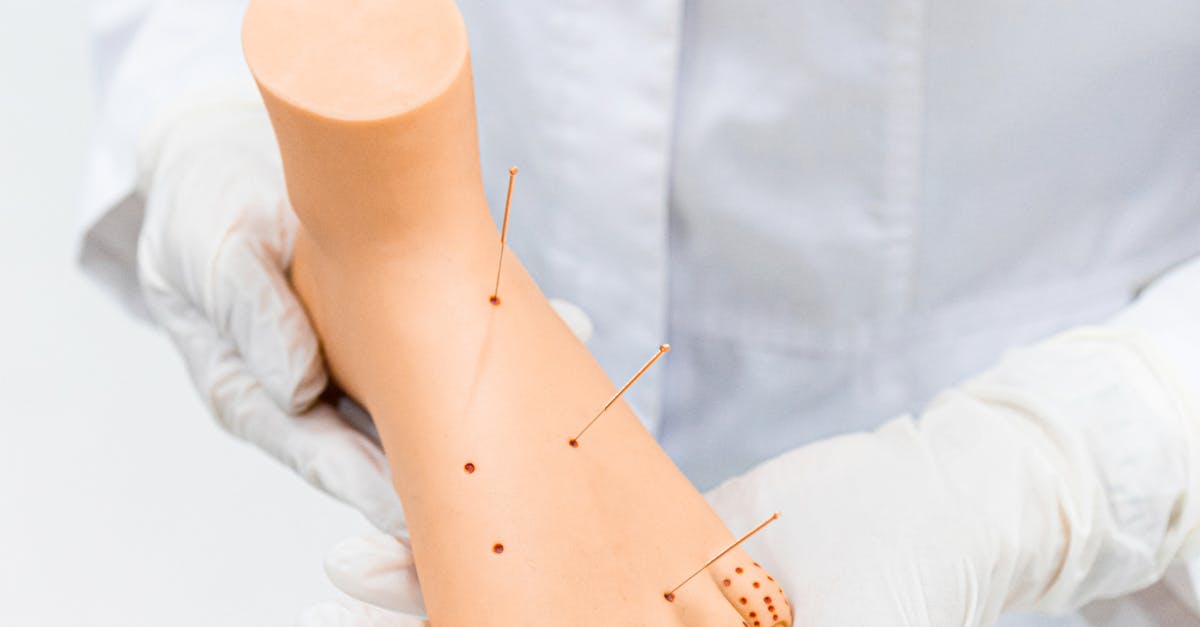
Exploring the Benefits of Acupuncture for Sports Injuries
Table Of Contents
Improving Range of Motion
Athletes often face limitations in movement due to injuries, which can hinder performance and prolong recovery. Acupuncture has gained attention as a method that may enhance joint flexibility and restore full motion. By targeting specific acupuncture points, practitioners aim to release tension within muscles and tendons, promoting relaxation and reducing stiffness. This targeted stimulation can lead to increased blood flow and improved elasticity, making it easier for athletes to regain their range of motion.
In addition to its physical benefits, acupuncture can stimulate the body’s natural healing processes. The treatment encourages the release of endorphins and other neurotransmitters that can alleviate pain and reduce inflammation. By integrating this practice into recovery routines, athletes may find a more efficient path to restoring mobility. The positive effects of acupuncture can complement other therapeutic approaches, offering a holistic way to achieve a greater sense of freedom in movement.
How Acupuncture Affects Joint Flexibility
Acupuncture operates on the principle of stimulating specific points on the body to promote healing and improve functionality. When applied to areas around joints, the fine needles can elicit a local response that may decrease inflammation and enhance circulation. Increased blood flow to the joint tissues promotes nutrient delivery and waste removal, which can result in improved overall joint condition. The release of endorphins during the treatment may also contribute to relief from discomfort associated with tight or restricted movement.
In addition to physical benefits, acupuncture can help in relaxing tightened muscles surrounding the joints. This relaxation can significantly affect flexibility, as it allows for a greater range of motion without pain or resistance. Studies have shown that athletes who incorporate acupuncture into their training regimens may experience enhanced flexibility and joint mobility over time. By improving the body’s natural ability to promote healing and relax muscular tension, acupuncture serves as a valuable tool for those recovering from sports injuries.
Psychological Benefits for Athletes
Athletes often face immense pressure, both from external expectations and their internal drive to succeed. Acupuncture offers significant psychological benefits by helping to alleviate stress and anxiety. The treatment stimulates the body's natural healing processes, promoting the release of endorphins, which can improve mood and foster a sense of calm. This relaxation response is particularly beneficial during high-stakes events, where mental clarity is essential for optimal performance.
In addition to reducing anxiety, acupuncture can enhance focus and concentration. Many athletes report increased mental clarity after sessions, which translates to better performance during competitions. By addressing both physical and emotional aspects of well-being, acupuncture serves as a holistic approach that supports an athlete's psychological resilience, ultimately contributing to improved training and competition outcomes.
Reducing Anxiety and Enhancing Focus
Athletes often experience high levels of anxiety before competitions or during intense training. This stress can negatively impact performance and hinder focus. Acupuncture provides a holistic approach to managing these feelings. By targeting specific points in the body, acupuncture can stimulate the release of neurotransmitters that promote relaxation and emotional balance, helping athletes enter their competitions with a clearer state of mind.
In addition to its calming effects, acupuncture may also enhance concentration. The treatment encourages a state of mindfulness, allowing athletes to be more present during their activities. This increased awareness can lead to better decision-making and improved execution of skills. By fostering a more focused mental state, acupuncture equips athletes to handle the pressures of competition with greater confidence and poise.
Complementary Treatment with Conventional Medicine
Acupuncture has gained recognition as a valuable adjunct to conventional medical treatments for sports injuries. Many athletes seek out acupuncture to alleviate pain, reduce inflammation, and promote faster healing. This ancient practice can work in conjunction with physical therapy, chiropractic care, and other rehabilitation techniques to support recovery. By addressing both physical and emotional aspects of healing, acupuncture enhances the overall treatment experience for athletes.
Integrating acupuncture into a comprehensive rehabilitation plan allows for a more holistic approach to recovery. Practitioners often tailor acupuncture sessions to complement therapies aimed at improving strength, flexibility, and endurance. The combination of traditional and alternative medicine can lead to improved outcomes by addressing various dimensions of injury and recovery. As a result, many athletes report enhanced performance and well-being when incorporating acupuncture into their overall care regimen.
Integrating Acupuncture into Rehabilitation Programs
Acupuncture serves as a valuable addition to traditional rehabilitation practices, particularly in helping athletes recover from injuries. By targeting specific points associated with pain relief and muscle tension, it can enhance the overall efficacy of physical therapy. This integration often leads to improved outcomes, helping athletes regain strength and mobility more effectively. Clinics increasingly recognize the potential of combining acupuncture with exercises tailored to each individual's recovery needs.
Athletic trainers and physical therapists can work together to develop comprehensive rehabilitation plans that include acupuncture sessions. This collaborative approach allows for personalized care, addressing physical ailments and psychological barriers that may hinder recovery. Athletes benefit from this holistic perspective, experiencing not only physical improvements but also greater mental resilience during their rehabilitation journey.
FAQS
What is acupuncture and how does it work for sports injuries?
Acupuncture is a traditional Chinese medicine practice that involves inserting thin needles into specific points on the body. It is believed to stimulate the body's natural healing processes, reduce pain, and improve blood circulation, which can aid in the recovery from sports injuries.
Can acupuncture improve my range of motion after an injury?
Yes, acupuncture can help improve range of motion by promoting relaxation in muscles and joints, reducing inflammation, and enhancing overall flexibility. This can be particularly beneficial for athletes recovering from injuries.
Are there psychological benefits to acupuncture for athletes?
Absolutely! Acupuncture can help reduce anxiety and stress, which are common among athletes. By promoting relaxation and enhancing focus, it can improve an athlete's mental state, ultimately aiding in their performance and recovery.
How can acupuncture be integrated into a conventional rehabilitation program?
Acupuncture can be used alongside conventional treatments like physical therapy and medication. It can complement these approaches by addressing pain management, reducing inflammation, and speeding up recovery, making it an effective addition to a comprehensive rehabilitation program.
Is acupuncture safe for athletes?
Yes, acupuncture is generally considered safe when performed by a qualified and licensed practitioner. Athletes should consult with their healthcare providers to ensure it is an appropriate treatment option for their specific injury and health conditions.
Related Links
Natural Pain Relief: Acupuncture for Neuropathic PainThe Impact of Acupuncture on Arthritis and Joint Pain
Acupuncture Techniques for Relieving Menstrual Pain
The Effectiveness of Acupuncture in Reducing Sciatica Discomfort
How Acupuncture Supports Recovery from Surgery Pain
Using Acupuncture to Treat Fibromyalgia Symptoms